A Guide to Magnet Separator Testing in Dairy Processing
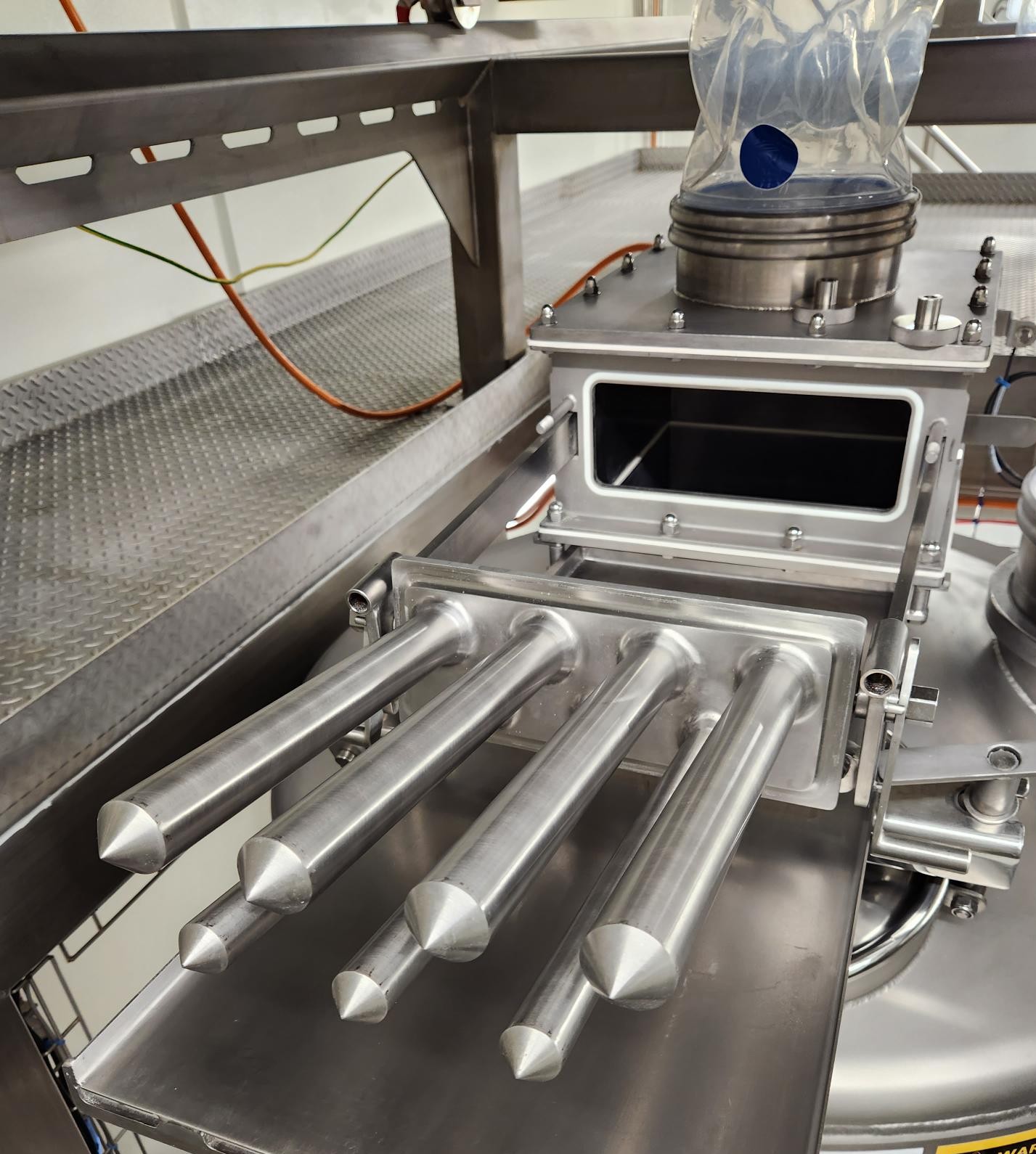
In the dairy industry, even the tiniest metal fragment can compromise safety, trigger costly recalls and damage brand trust. While magnetic separators are widely used to capture ferrous contaminants, their effectiveness depends on more than just installation. It hinges on regular testing and validation. Testing and validating the performance of these separators is essential to ensure ongoing and reliable metal removal and food safety compliance.
This guide explores the role of magnet separator testing in dairy processing, especially the importance of measuring magnet strength (in Gauss), understanding industry benchmarks, and selecting appropriate strength levels for various applications. Whether you’re a quality assurance manager, plant engineer, or sanitation lead, knowing how and when to test your magnetic separators is vital for protecting both product and brand integrity.
Why Magnet Strength Matters in Dairy Processing
Achieving consistent contaminant removal in dairy operations, begins with understanding magnetic strength. Measured in Gauss, this value reflects a magnet’s ability to attract and retain ferrous and weak magnetic particles. Even high-performance magnets can degrade over time due to heat, corrosion, and exposure to cleaning chemicals, especially in CIP systems. Without regular testing and validation, weakened magnets may allow contaminants to pass through, putting food safety, compliance, and brand reputation at risk. This section explains why Gauss strength matters and what can happen when magnets are not properly tested or maintained.
Sources of Contamination and Role of Magnetic Strength
Metal fragments can enter dairy processing lines from multiple sources, including worn-down or damaged equipment, incoming raw materials, and spray dryers. External maintenance activity can also introduce metal debris into the system. Magnetic separators are placed throughout processing plants to intercept these contaminants, but their performance hinges on multiple factors, such as the strength of the magnetic field, the magnet design, product type, and more.
Importance of Gauss and Magnet Longevity
Gauss readings are the gold standed for evaluating magnet performance. High-strength magnets (10,000+ gauss) are essential for capturing fine ferrous and weakly magnetic stainess steel particles. But over time, exposure to heat, CIP chemicals and vibration can reduce strength, making regular testing critical to ensure ongoing protection. Another method that has been used for testing magnets over the past 50 years and longer, is the pull strength method. This method however, despite the ongoing recommendation by sellers of the testing equipment, is outdated and inaccurate if used to determine suitability of food safe equipment. Testing using pull test will vary based on pole shoe thickness and the size of the test piece used, as well as the technique of the person using the instrument. This method is more appropriately a “hold” test, determining how well a large piece of metal will “hold” to the magnet surface. It does not take into account the importance of close pole centres as well as adequate surface strength for removal of tiny weakly magnetic fragments such as work hardened stainless steel. Refer to the Gauss vs pull whitepaper for more information and https://www.magnattackglobal.com/blog/more-accurate-magnet-testing-method/
Consequences of Insufficient Testing
Dairy processors who fail to test for magnetic strength expose themselves to a number of risks. These include violations of food safety regulations, consumer complaints or injury, costly product recalls, and damage to processing equipment from unremoved debris.
Testing for Compliance: HACCP, FSMA, and USDA Standards
Meeting regulatory standards isn’t optional in dairy processing—it’s mandatory. Below, we break down how magnet testing supports compliance with key food safety frameworks and helps facilities stay audit-ready.
Regulatory Frameworks Guiding Magnet Testing
Food safety programs in dairy processing are governed by standards like HACCP (Hazard Analysis and Critical Control Points), FSMA (Food Safety Modernization Act), and USDA Dairy guidelines. These frameworks require verification of controls used to mitigate physical hazards like metal fragments. Magnet separator testing forms a key part of this verification.
Documentation and Frequency Expectations
Testing must be routine and well-documented to meet audit expectations. Facilities are expected to test magnets on a regular schedule—often annually, but some companies do this more often and record gauss readings along with other important things, such as pole centre distance, coverage and hygiene for each magnet in use. In addition to numerical values, inspectors look for documentation of corrective actions taken when a magnet fails to meet benchmarks, as well as trend data that reflects the long-term effectiveness of magnetic separation systems.
Explore how self-cleaning magnetic separators enhance dairy processing by reducing labor, minimizing downtime, and improving product quality.
How to Perform Magnet Separator Testing
Effective magnet testing starts with the right tools and methods. Use a calibrated Gauss meter to measure magnetic strength at pole centers, where product contact is highest. Avoid testing from the magnet’s exterior, as this can produce misleading results. Visual inspections should also check for wear, corrosion, or residue buildup that could reduce performance.
Overview of Proper Testing Methodology
Testing magnets accurately involves measuring their magnetic field at points of active product contact and pole centers.
Using a Calibrated Gauss Meter
The first step is selecting and using a certified Gauss meter suitable for food-grade magnets. The meter must be calibrated to ensure accurate readings. Testing involves scanning multiple points along a magnetic bar or plate, called pole centers, to identify the area of highest magnetic strength.
Observations During Testing
In addition to measuring Gauss levels, technicians should visually inspect the magnet for damage, pitting, or buildup of residue, all of which can reduce performance.
Understanding Acceptable Magnet Strength Ranges
Not all magnets are created equal and not all applications require the same strength. For final product lines and critical control points, magnets should exceed 10,000 gauss. Here’s how to determine the right strength for your specific process and why some types of equipment might not meet the mark.
Defining Strength Thresholds for Safety
Different dairy applications require different levels of magnetic strength. For critical control points and final magnets, magnets should typically exceed 10,000 Gauss, however, strength of 8,500 gauss as a minimum is required for a magnet to be considered adequate for final duty. Lower strength magnets may be used only in non-critical screening or pre-processing locations.
Dangers of Relying on Legacy Equipment
Many plants continue to operate with magnets installed decades ago. Without regular testing, these units may fall below acceptable Gauss levels, creating a false sense of security. Modern food safety standards demand verification—not assumptions—about magnet performance and along with strength testing, important factors such as product to magnet coverage, pole centre distance and hygiene must also be included in current day testing and inspection.
Application-Specific Considerations
From powders to liquids, magnets are used across all stages of dairy production. The following insights show factors to consider for each unique application.
Magnets in Liquid Processing Lines
Milk, cream, yogurt, and other liquid dairy products are processed in pipelines, making inline magnets essential. Corrosion from CIP agents can gradually erode surface coatings and compromise strength. Magnets can also lose strength due to high temperatures.
Magnets in Dry Dairy Products
Powdered dairy products like infant formula and milk powder generate fine, hard-to-capture particles. These systems require high-intensity magnets capable of resisting demagnetization under constant friction from abrasive products, such as lactose. Testing should ensure consistent strength along all contact surfaces and evaluate whether powder buildup is interfering with magnetic capture.
Common Pitfalls in Magnet Testing
Magnet testing can fall short without the right approach. Let’s look at some frequent pitfalls that compromise food safety and audit readiness.
Infrequent or Postponed Testing
One of the most frequent mistakes is delaying testing until an audit is imminent. This increases the likelihood of discovering performance issues too late to correct them. Degradation due to CIP exposure, heat, or vibration can occur well before annual testing schedules.
Inaccurate Testing Practices
Using outdated methods, uncalibrated meters or testing only the ends of magnetic bars rather than the working centerline can yield inaccurate readings. Magnets may appear adequate externally but could have reduced internal flux due to previous impacts.
Inadequate Documentation
Facilities can fail to record gauss readings systematically, making it difficult to track trends over time or demonstrate corrective actions. Without proper documentation, even effective testing may not satisfy audit requirements.
Choosing the Right Partner for Magnet Validations
Partnering with a certified magnet validation provider ensures your testing is accurate, compliant, and actionable. At Magnattack, we go beyond basic testing. We deliver detailed Gauss readings, condition assessments, and tailored recommendations to help you maintain peak performance and audit readiness. Below we explore the value of validation services and who to trust.
Advantages of Professional Validations
Working with a certified magnet validation provider ensures that testing is conducted with the right tools and methods. Professional services typically include comprehensive reports with precise Gauss measurements, wear assessments, and action plans for underperforming magnets.
Why Magnet Testing With Magnattack® Sets the Standard
At Magnattack, we understand that magnet separator testing is more than a regulatory checkbox—it’s a cornerstone of food safety in dairy production. That’s why our solutions are engineered for precision, durability, and performance in the most demanding dairy environments.
We offer third party certified magnet validations conducted by trained professionals who specialize in dairy compliance. Our team doesn’t just test. We evaluate your system holistically, identify weak points, and recommend targeted improvements backed by real-world performance data, based on current written magnet standards. Each validation includes detailed Gauss readings, magnet configuration compliance (against standard) condition assessments, and clear next steps to keep your facility running safely and efficiently if gaps are identified. Contact us today to schedule your validation.