Battery Recycling: A Global Priority for Sustainability and Safety
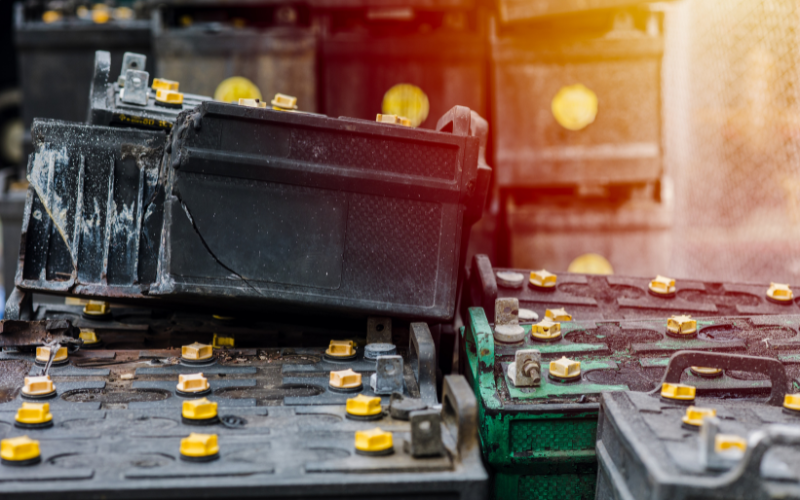
As global industries accelerate toward electrification and clean energy, batteries are becoming a cornerstone of progress. From smartphones to electric vehicles to backup power systems, battery usage has skyrocketed, and so has the urgent need for responsible end-of-life management. Battery recycling is no longer optional. It’s a global priority.
In this article, we explore the environmental, economic, and regulatory forces driving the battery recycling movement and the challenges involved. Magnetic separation technology is emerging as a key enabler in safer, more efficient battery recycling.
The Rising Tide of Battery Waste
Modern society relies heavily on lithium-ion and other rechargeable batteries. However, these batteries have a limited lifespan. As more are produced and used, the volume of discarded batteries has ballooned. According to the International Energy Agency, global battery demand is expected to grow 17-fold by 2040. Without scalable recycling solutions, this surge will create massive waste management problems.
Battery waste contains a mix of valuable and hazardous materials. Lithium, cobalt, nickel, and manganese are all critical raw materials, but batteries also contain flammable electrolytes and heavy metals that can leach into the environment.
The challenge is twofold: prevent environmental contamination and recover critical materials before they’re lost to landfills.
Without intervention, this growing waste stream threatens both environmental health and resource availability.
Environmental and Safety Risks of Improper Disposal
Improperly disposed batteries can pose serious environmental and public health hazards. When sent to landfills or incinerators:
- Toxic leaching can contaminate soil and water with lead, cadmium, and lithium compounds.
- Fire and explosion risks increase due to reactive chemicals in damaged or overheated batteries.
- Greenhouse gas emissions rise if batteries are incinerated without controlled recovery systems.
Recycling mitigates these risks by safely recovering materials and preventing uncontrolled disposal.
Closing the Loop on Critical Materials
One of the most compelling arguments for battery recycling is its role in securing access to limited resources. Many battery materials are sourced from geopolitically sensitive regions, making recycling a strategic necessity.
Through advanced recycling processes, these materials can be recovered and reintroduced into new battery production. This reduces the need for virgin mining, lowers carbon emissions, and helps stabilize supply chains.
Regulatory and Industry Momentum
Governments around the world are enacting policies to accelerate battery recycling. The European Union has already passed legislation requiring higher recycling rates and setting clear targets for lithium recovery. In the U.S., the Bipartisan Infrastructure Law includes funding for battery recycling research and infrastructure.
Meanwhile, manufacturers are taking responsibility for end-of-life management. Major EV makers, battery producers, and electronics companies are partnering with recyclers to build circular systems.
As regulations tighten, technologies that improve safety and material purity—like magnetic separation—are becoming essential.
Challenges in Battery Recycling
Despite its promise, battery recycling presents unique technical and logistical hurdles:
- Battery chemistries vary, making standardized processing difficult.
- Handling risks such as thermal runaway requires specialized equipment and safety protocols.
- Disassembly is labor-intensive, especially for batteries not designed with recycling in mind.
- Contaminants such as ferrous metals must be removed to ensure clean material recovery and protect downstream equipment.
That’s where magnetic separation technology offers a critical advantage.
The Role of Magnetic Separation in Battery Recycling
Magnetic separation plays a vital role in ensuring safe and efficient material recovery during battery recycling.
During battery recycling, components are shredded and processed to separate metals, plastics, and active materials. This process produces a material known as “black mass,” which contains lithium, cobalt, graphite, and other fine particles.
But before black mass can be refined, the material must be cleaned of contaminants, especially ferrous metals from casings, connectors, and equipment wear. Left unchecked, these fragments can damage filtration systems, reduce yield quality, or ignite thermal reactions.
How Magnetic Separation Helps:
- Removes steel and iron particles early in the process, protecting downstream separation and refining stages.
- Improves throughput by reducing equipment downtime and wear.
- Ensures product purity by eliminating magnetic contamination from final recovered materials.
Magnetic separation adds value at multiple stages, both as a safety measure and a material quality enhancer.
Supporting a Safer, Smarter Recycling Process
Magnetic solutions can be used at various points in the battery recycling process:
- Pre-shredding: Plate magnets can remove loose ferrous material before it enters crushers or shredders.
- Post-shredding: Magnetic drums or grate or drawer magnet systems such as the Rapidclean® or Mag-Ram® can pull steel fragments from bulk black mass.
- Final refinement: High-intensity rare earth magnets ensure maximum purity before chemical processing.
When deployed correctly, these systems improve facility uptime, reduce fire hazards, and help meet regulatory purity thresholds.
For general-purpose recycling equipment outside sanitary applications, our sister company MSA Magnetics supplies industrial magnetic separators for mining and recycling.
A Global Responsibility with Local Impact
Battery recycling isn’t just about environmental stewardship. It’s also about local economic opportunity, safer communities, and global supply chain resilience. As demand for lithium-ion batteries grows, so does the need for a domestic recycling infrastructure that can scale efficiently.
By investing in high-performance magnetic tools and designing safer workflows, recycling facilities can become key players in the clean energy economy—while protecting workers, preserving critical materials, and reducing long-term costs.
Building a More Sustainable Future
Battery recycling is a cornerstone of the clean energy transition. Magnetic separation enhances this process by improving safety, efficiency, and material recovery.
Magnetic separation is a small but powerful step in optimizing that chain. By supporting cleaner, safer, and more efficient material recovery, it helps bring circular economy goals within reach.
Magnattack® is proud to be expanding into battery recycling solutions. With a proven track record in material safety and magnetic innovation, we’re committed to helping recyclers design systems that maximize performance and minimize risk. Reach out today to explore how our technology can support your battery recycling facility—and contribute to a cleaner, more efficient future for everyone.