How Magnetic Separation Improves Quality for Wineries and Breweries
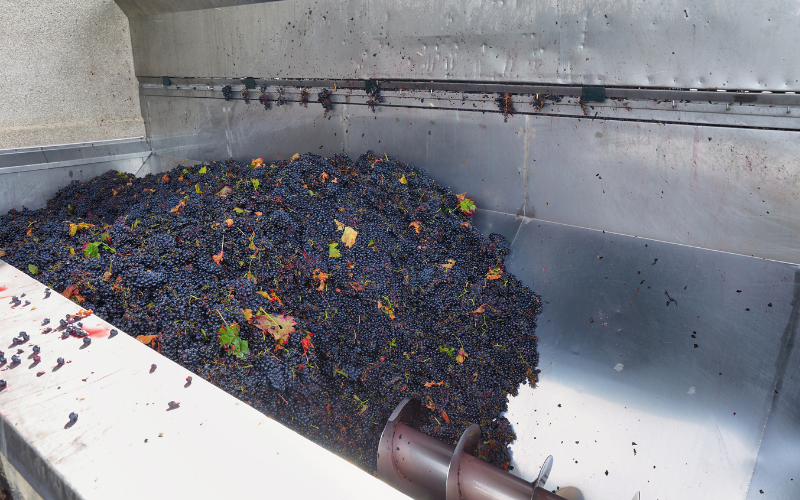
Wineries and breweries are under increasing pressure to meet stringent quality assurance (QA) standards. Avoiding contamination, maintaining regulatory compliance, and preserving brand reputation are essential for success. One highly effective, yet often overlooked, method for achieving these goals is magnetic separation.
Consistency, safety, and compliance are non-negotiable in beverage production. In this blog, we explore how magnetic separation strengthens QA programs, supports regulatory compliance, and protects brand integrity for wineries and breweries.
Understanding Magnetic Separation in Beverage Production
Magnetic separation is the process of removing metal fragments and foreign objects from raw ingredients, processing equipment, and final products. It addresses three critical concerns in beverage manufacturing:
- Contamination control
- Regulatory compliance
- Product consistency and quality
Even a minor contamination event can lead to costly repairs, recalls and irreversible damage to consumer trust. Implementing this system offers a proactive, effective solution.
Common Sources of Metal Contamination
Metal contamination can occur at any stage of beverage production. Common sources include:
- Raw materials
- Processing equipment wear and tear
- Accidental introduction of metal fragments
Fragments from machinery or from product intakes can result in expensive complications, such as damage to machinery resulting in potential extensive metal contamination of the product downstream. Magnetic grates, plate magnets, and more, intercept these fragments before they reach the next stage of processing or the final product, helping to eliminate these risks and allow for smooth operations.
How Magnetic Separation Strengthens QA Programs
Implementing magnetic separation systems is a proactive strategy that empowers beverage manufacturers to meet and exceed quality expectations. By addressing contamination risks head-on, magnetic separation enhances overall product safety, maintains brand integrity, and ensures compliance with regulatory standards.
Below, we dive into the specific ways it strengthens quality assurance efforts in wineries and breweries.
1. Detection and Removal of Metal Fragments
Magnetic separators use powerful rare-earth magnets to detect and extract both ferrous and weakly magnetic stainless-steel particles. Installing these systems at critical points such as ingredient intakes, processing lines, and, in certain applications at final locations prior to packaging, significantly reduces contamination risks.
2. Enhanced Product Consistency and Safety
Removing contaminants ensures consistent quality across every batch. Customers expect every product to meet the same high standards. Magnetic separation enhances product safety and boosts consumer confidence.
3. Facilitating Regulatory Compliance
Food and beverage manufacturers must comply with relevant regulations, like HACCP (Hazard Analysis Critical Control Point) or FSMA (Food Safety Modernization Act). Magnets support compliance by helping:
- Identify and control contamination points
- Document preventive measures
- Maintain thorough inspection records
- Demonstrating effective contamination control simplifies audits and inspections.
4. Minimizing Recall Risks
Recalls are financially devastating and can permanently damage brand reputations. By proactively removing metal contaminants, magnetic separation reduces the risk of consumer complaints, regulatory actions, and expensive recalls.
5. Improving Operational Efficiency
Efficient magnetic separation systems minimize downtime due to contamination issues and equipment damage. This reliability leads to more streamlined operations and lower maintenance costs.
Explore tips on how to choose the right magnetic separator to help prevent metal contamination in your food products.
Best Practices for Implementing Magnetic Separation
While magnetic separation systems are highly effective, optimizing their benefits requires careful planning and ongoing diligence. Beverage manufacturers can maximize the impact of magnetic separation by following a series of best practices designed to strengthen their overall quality assurance efforts.
1. Conduct Risk Assessments
Identify potential contamination points through thorough risk assessments. Install magnetic separators at these critical control points to maximize effectiveness.
2. Choose the Right Equipment
Different stages of beverage production require different types of magnetic separators. Selecting the right solution will depend on product type, location, volume, and more, to ensure optimal performance and maximise risk reduction.
3. Perform Regular Inspections and Validations
Regularly inspect magnetic systems and validate their strength to ensure ongoing effectiveness. Thorough documentation supports HACCP and FSMA compliance.
Routine maintenance checks and magnetic strength testing should be scheduled at regular intervals to guarantee system reliability. This proactive approach not only safeguards product quality but also helps to extend the lifespan of the equipment.
4. Provide Staff Training
Educate staff about contamination risks and the importance of magnetic separation. Well-trained teams are essential for maintaining inspection protocols and spotting issues early.
QA teams should conduct periodic refresher training sessions to ensure all employees remain up-to-date on the latest procedures and compliance requirements. A well-informed workforce acts as the first line of defense against contamination risks.
5. Integrate with Broader QA Programs
Magnetic separation should complement other QA strategies, such as metal detection, visual inspections, and comprehensive SOPs (Standard Operating Procedures), creating a robust contamination prevention framework.
Establishing a comprehensive QA plan that includes multiple layers of protection ensures greater resilience against potential threats. Combining magnetic separation with other technologies strengthens a facility’s ability to produce consistently safe and high-quality beverages.
Emerging Trends in Magnetic Separation Technology
Advancements in magnetic technology are continually enhancing the efficiency and effectiveness of separation systems. Innovations such as self-cleaning magnetic separators, higher-intensity rare-earth magnets, and smart sensors are becoming increasingly popular in the beverage industry. These modern technologies help facilities minimize manual intervention, improve system longevity, and achieve even higher standards of product purity.
Future Outlook for QA in Beverage Manufacturing
As consumer expectations for safety and transparency continue to rise, the beverage industry will see even greater emphasis on robust QA practices. Magnetic separation will remain a foundational tool, evolving alongside new standards and technological developments to support wineries and breweries in maintaining superior product quality and regulatory compliance.
Strengthening Beverage QA With Magnetic Separation
Magnetic separation is no longer optional for wineries and breweries aiming for excellence – it’s a fundamental component of a successful QA program. By integrating magnetic systems, beverage producers can reduce contamination risks, ensure compliance, and consistently deliver safe, high-quality products.
At Magnattack®, we specialize in designing advanced easily cleaned and self-cleaning magnetic separation solutions tailored to the beverage industry. Our equipment helps producers strengthen QA programs, maintain regulatory compliance, and protect consumer safety. Contact us today to learn more about our magnetic separators.