How Magnetic Separation Reduces Equipment Wear and Tear
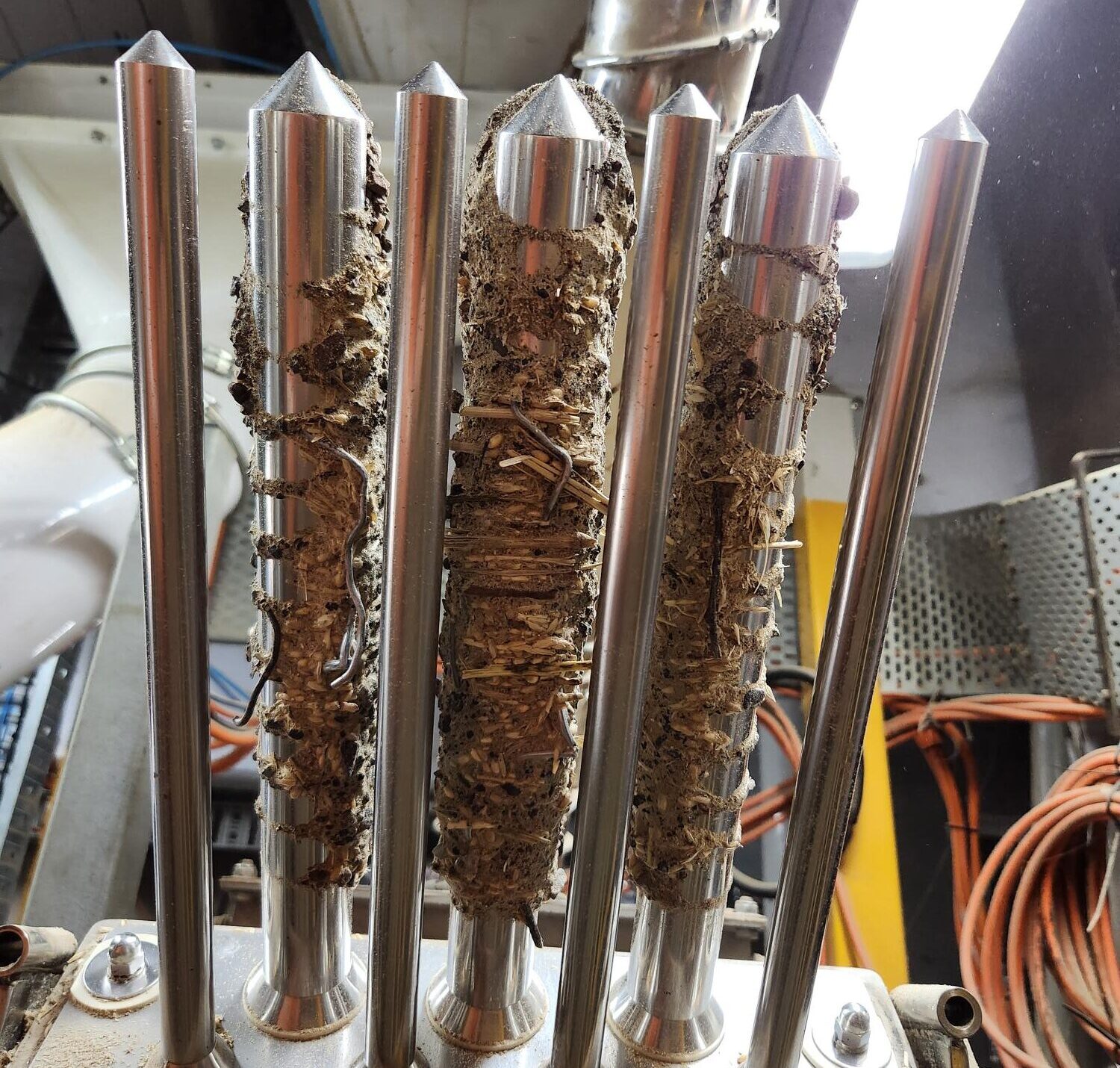
Whether in pharmaceuticals and cosmetics, manufacturing, or food processing, machinery needs to be protected from contaminants that can cause unnecessary wear and tear. Magnetic separation is one of the most efficient and cost-effective solutions to this problem. This has become an indispensable part of modern processing industries. This technique leverages magnetic fields to remove ferrous contaminants from bulk materials, significantly reducing equipment damage and maintenance costs.
Let’s uncover how magnetic separation works, the types of equipment used, its applications across various industries, and how it ultimately leads to prolonged equipment life and cost savings.
Understanding Magnetic Separation
Magnetic separation is a process that utilizes magnetic fields to attract and remove ferrous contaminants from bulk materials. These contaminants might include iron and work-hardened stainless steel filings, bolts, nuts, nails, and other metallic debris that accidentally mix with raw materials before and during processing.
The process relies on powerful magnets strategically positioned to catch and retain ferrous particles as materials move through conveyors, chutes, or feeders. Magnetic separation eliminates unwanted metal fragments, helping maintain product purity and protect downstream processing equipment from damage.
The Relationship Between Contaminants and Equipment Wear
In industrial processing environments, wear and tear are inevitable. However, contaminants like metal fragments exacerbate the issue, leading to accelerated degradation of equipment components. Here’s how contaminants contribute to equipment damage:
- Abrasive Wear: Metal fragments cause abrasion when they come into contact with sensitive components, grinding down surfaces and causing significant damage over time.
- Impact Damage: Larger metal objects, such as bolts or nuts, can cause catastrophic failures when they collide with machinery components.
- Blockages and Downtime: Metallic debris can contribute to blockages in pipelines and conveyors, leading to unexpected breakdowns and costly downtime.
- Product Quality Issues: In industries like food processing and pharmaceuticals, contamination can lead to product recalls and tarnished reputations.
By incorporating magnetic separation into processing lines, industries can drastically minimize these risks and extend the lifespan of their equipment.
Types of Magnetic Separation Equipment
There are several types of magnetic separators, each designed for specific applications and material types. Let’s explore some of the most common ones:
Magnetic Drums
Magnetic drums consist of a rotating drum with a fixed magnetic field inside. As bulk material passes over the drum, ferrous particles are attracted to the magnetic surface and carried to the underside, where they are released into a separate chute.
Magnetic Pulleys
Magnetic pulleys replace standard conveyor pulleys and provide continuous separation of ferrous contaminants from the conveyed material. They are especially useful in recycling and mining applications.
Magnetic Grates and Grids
Grate magnets consist of magnetic bars arranged in a grid pattern. These are typically placed inside hoppers or chutes to capture fine ferrous particles from free-flowing materials.
Overhead Magnets
Overhead magnets, or suspended magnets, are installed above conveyors to attract ferrous particles from moving material streams. They are especially effective in protecting crushers and grinders from metallic contaminants.
Liquid Line Magnets
In liquid processing, liquid line or inline magnets capture metallic debris from fluids and emulsions, preventing damage to pumps, valves, and other machinery.
Applications of Magnetic Separation Across Industries
Magnetic separation plays a vital role in many industries, each of which benefits from reduced equipment wear and tear. Here’s a look at some key sectors:
Food and Beverage Processing
In the food industry, contaminants pose significant health risks and can damage sensitive machinery like grinders and mixers. Magnetic grates, inline magnets, and more, help ensure that metal fragments are removed from the process, safeguarding both equipment and consumer safety.
Recycling and Waste Management
Magnetic separators play a crucial role in recycling plants by removing ferrous metals from shredded materials. This helps protect shredders and conveyors from damage while allowing for more efficient material sorting.
Manufacturing and Production
In manufacturing environments where raw materials may contain metal fragments, magnetic separation prevents damage to processing equipment. This is particularly vital in the automotive and aerospace industries, where precision and safety are essential.
Pharmaceutical and Chemical Industries
Even trace amounts of metal contaminants can compromise product quality and damage mixing and grinding equipment. Inline magnets and grate magnets help maintain product integrity and extend machinery life.
Nothing lasts forever, especially magnetic separation equipment. To check their efficiency, consider magnetic validation procedures.
Benefits of Magnetic Separation for Reducing Wear and Tear
Now that we understand how magnetic separation works and its applications across industries, let’s examine how it directly reduces equipment wear and tear:
Minimizes Downtime
By proactively removing contaminants, magnetic separation drastically reduces unexpected breakdowns, leading to fewer interruptions and maximizing operational efficiency.
Lowers Maintenance Costs
The consistent removal of ferrous particles means less abrasion and impact damage to critical components. As a result, maintenance frequency decreases, saving on labor and part replacement costs. In many cases, the ROI of having adequate magnets in the process can be very quick. One issue saved can pay for the magnet!
Increases Equipment Lifespan
When machinery operates without contamination-induced wear, it naturally lasts longer. This longevity translates to higher return on investment (ROI) and reduced capital expenditure on replacements.
Protects Critical Components
High-speed components like crushers, grinders, and mixers are especially vulnerable to metal fragments. Magnetic separation ensures these parts are not compromised, reducing the likelihood of costly repairs.
Maintains Product Quality
In industries where product quality is non-negotiable, adequate and compliant magnetic separation will greatly reduce the risk of serious metal contamination that could lead to recalls or production shutdowns. This directly protects both brand reputation and client satisfaction.
Implementing Magnetic Separation: Best Practices
To maximize the benefits of magnetic separation, it’s essential to implement the process correctly. Here are a few best practices:
1. Proper Placement
Position magnets at key points where contaminants are most likely to enter the process. For example, installing magnets at product intakes ensures that large metallic objects are removed from the process to prevent damage to equipment.
2. Regular Inspection and Maintenance
Although magnetic separators are low-maintenance, regular inspection is essential to ensure they are functioning optimally. Check their magnetic strength and frequently remove the build-up of captured contaminants.
3. Use the Right Magnet for the Job
Different applications require different types of magnets. Choose separators based on factors like material flow rate, particle size, and the volume of contaminants expected.
4. Train Staff for Effective Operation
Proper training ensures that operators know how to maintain and monitor magnetic separators, maximizing their effectiveness.
Final Thoughts
In industries that rely on high-volume processing, protecting machinery from contaminants is crucial. Magnetic separation emerges as a practical and cost-effective solution, ensuring that ferrous particles are efficiently removed before they can cause damage. As a result, companies experience prolonged equipment life, reduced maintenance expenses, and improved product quality.
Incorporating adequate and compliant magnetic separation into your operations might just be the smartest move you make to extend your equipment’s lifespan and maintain the smooth flow of production. Consider your industry’s specific needs, choose the right type of magnetic separator, rely on the experts, and implement best practices to achieve maximum benefits.
Partner With Magnattack® for Superior Magnetic Separation Solutions
At Magnattack, we have been at the forefront of magnetic separation technology since 1969. We specialize in foreign metal fragment control across many different industries, including food processing, pharmaceuticals, and chemical production. Our commitment to innovation and quality has made us a trusted global leader in providing premium magnetic separator equipment and solutions.
By integrating our cutting-edge magnetic separators into your processing lines, you can significantly reduce equipment wear and tear, enhance product purity, and ensure compliance with stringent industry standards. Our solutions are designed to protect both your products and your brand reputation by minimizing the risks associated with metal contamination.