How to Choose the Right Magnetic Separation Equipment for Chemical & Material Processing
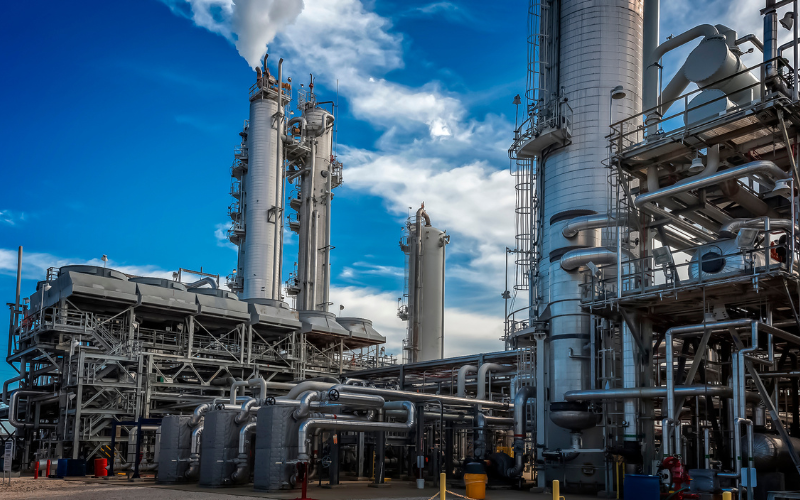
Choosing the right separator depends on several factors, including the nature of the chemical being processed, contamination risk levels, and processing environments. Selecting the wrong type of separator can lead to inefficiencies, increased maintenance, and ineffective contaminant removal.
This guide will help manufacturers understand the different magnetic separation equipment available and how to make informed purchasing decisions that enhance their processing efficiency.
Understanding the Importance of Magnetic Separation in Chemical and Material Processing
Metal contamination is a significant issue in the chemical and material processing industry. Tiny metal particles can compromise product integrity, cause machinery damage, and lead to compliance issues. Even minor contamination can result in costly recalls, production downtime, and damage to brand reputation. To mitigate these risks, manufacturers must invest in the right magnetic separation equipment, ensuring the highest standards of product quality and operational efficiency.
The Growing Need for Magnetic Separation in Chemical and Material Processing
As global regulations on product purity and safety tighten, industries are under increasing pressure to ensure that their materials are free from metal contaminants. In chemical processing, contaminants can come from various sources, including:
- Wear and tear of processing machinery
- Contaminated raw materials
- Accidental human or environmental factors
Failure to address these contamination risks can lead to significant consequences, such as non-compliance with industry standards and customer dissatisfaction. By investing in appropriate magnetic separation equipment, manufacturers can ensure that their products meet quality requirements while improving their overall processing efficiency.
Types of Magnetic Separators for Chemical and Material Processing
Selecting the appropriate magnetic separator is crucial for optimizing efficiency and minimizing contamination in chemical and material processing. Different separators are designed to handle various material types, contamination levels, and processing environments. A few common types of magnets include:
Plate Magnets
Plate magnets are flat magnetic surfaces usually installed at auger/chute outlets or suspended from conveyor discharge locations. They are highly effective in capturing ferrous contaminants from free-flowing powders and granular materials and semi-wet products. These magnets are well-suited for industries handling dry chemical materials and can be customized in size and strength based on application requirements.
Plate magnets offer a simple yet powerful, lower cost solution to metal contamination, reducing the risk of ferrous particle contamination at key points in production, especially in high-tonnage products. Their ease of installation and low maintenance requirements make them an attractive option for many chemical processing facilities.
Grate Magnets
Grate magnets consist of multiple magnetic rods arranged in a grid pattern. These separators are ideal for removing fine ferrous contaminants from powders and granular substances. They are commonly used in chemical, food, and pharmaceutical applications, where maintaining product purity is essential.
Grate magnets are particularly effective in high-density flow areas where contamination risks are elevated. They are usually available in customizable designs and configurations to suit different processing requirements.
Drum Magnets
Drum magnets provide continuous separation by attracting ferrous particles as materials pass through a rotating drum. They work well for high-volume applications where bulk material processing is required. These separators are commonly used in mining, recycling, and large-scale chemical production.
Unlike some other magnetic separators, drum magnets do not require manual cleaning, as the rotating drum continuously removes collected contaminants. This self-cleaning capability makes them an efficient choice for applications requiring minimal operator intervention.
Mag-Ram® Self-Cleaning Separators
The Mag-Ram self-cleaning magnetic separator is an advanced technology that automatically removes metal contaminants without manual intervention. It is highly efficient and ideal for facilities requiring continuous operation with minimal downtime.
By eliminating the need for manual cleaning, the Mag-Ram self-cleaning separator reduces labor costs while maintaining high levels of metal removal efficiency. It is a top choice for industries looking to optimize production flow without compromising on safety and contamination control.
Understanding why and how metal separation can benefit your food processing is critical, as well as choosing the right equipment.
Key Selection Criteria for Magnetic Separation Equipment
When choosing a magnetic separator, consider the following critical factors:
Material Type
Different materials react differently to magnetic fields. Consider whether the material is dry, wet, or semi-liquid, as this will influence the type of separator required. Dry materials often require plate or grate magnets, including self-cleaning grate magnets, while wet or slurry-based processes may require drum or liquid pipeline magnets.
Contamination Risk Level
Evaluate the level and type of metal contamination present in your raw materials. Facilities dealing with fine powders may require high-intensity magnets, while bulk materials might need drum separators. Understanding contamination risks will ensure that the correct separator strength and design are chosen.
Processing Environment
The working environment plays a crucial role in separator selection. Factors like temperature, humidity, and chemical exposure can affect magnet efficiency and longevity. For example, facilities with extreme heat or moisture may require corrosion-resistant or high-temperature-resistant magnetic separators.
Cleaning and Maintenance Requirements
Some separators require frequent manual cleaning, while others, like self-cleaning models, reduce downtime and labor costs. When selecting equipment, consider the availability of staff for maintenance and how frequently contaminants need to be removed.
Installation and Space Constraints
Consider the available space in your processing line and choose a separator that fits within your existing setup without disrupting workflow. Some separators require larger installation areas, while others, like plate and grate magnets, can be placed in tighter spaces.
Compliance With Industry Standards
Ensure that the magnetic separator you choose meets industry regulations and quality standards. Compliance with food safety, pharmaceutical, or industrial regulations is crucial for avoiding penalties and maintaining a good reputation.
How to Determine the Right Separator for Your Facility
Selecting the most suitable magnetic separator for your facility requires a thorough understanding of your production processes, contamination risks, and operational goals. The right separator improves product purity, enhances efficiency, reduces maintenance costs, and ensures compliance with industry standards. By following a structured approach to evaluation and selection, manufacturers can make data-driven decisions that align with their unique processing needs.
Step 1: Conduct a Contamination Risk Assessment
Identifying potential contamination sources in your production line is the first step in ensuring effective magnetic separation. Conduct a comprehensive audit of all raw materials, machinery, and production stages to pinpoint possible metal contamination risks. Document past contamination incidents and analyze their root causes to determine whether they originated from external sources, equipment wear, or human error. Implementing a contamination risk matrix can help prioritize critical areas that need immediate attention.
By thoroughly assessing these risks, manufacturers can strategically place magnetic separators at key points in the production process to maximize their effectiveness and minimize the potential for product recalls and compliance issues.
Step 2: Trial Magnetic Separation Technologies
Selecting the right magnetic separator should not be a guessing game. Many manufacturers and industry experts offer product trials to ensure that the chosen separation technology aligns with specific processing needs.
Trialing a magnet can reveal any limitations of a given separator and provide insights into necessary adjustments before full-scale implementation. By leveraging trial services, manufacturers can make data-driven decisions and invest in a solution that guarantees long-term efficiency and reliability.
Step 3: Consult With Industry Experts
Magnetic separation technology is continuously evolving, and industry experts can provide valuable guidance on the latest advancements and best practices. Consulting with specialists allows manufacturers to gain insights into the most efficient separator configurations for their specific production environments. Experts can assess facility layouts, material characteristics, and processing conditions to recommend the most suitable magnetic separation solutions. They can also advise on compliance with industry standards and regulatory requirements, ensuring that separators meet food, pharmaceutical, or industrial-grade safety regulations. By leveraging expert knowledge, companies can avoid costly trial-and-error mistakes and optimize their metal separation processes for maximum efficiency.
Step 4: Consider Long-Term ROI
Investing in high-quality magnetic separation equipment is a strategic decision that goes beyond initial cost considerations. While some separators may have a higher upfront price, they often deliver significant long-term savings by improving efficiency, reducing waste, and preventing costly machinery damage. When evaluating ROI, consider factors such as equipment lifespan, maintenance requirements, labor costs for manual cleaning, and the potential for reduced product recalls due to contamination. Additionally, automation features in advanced self-cleaning magnetic separators can lead to significant operational savings by minimizing downtime and manual intervention. A well-planned investment in the right separator can pay for itself through enhanced product quality, increased regulatory compliance, and overall improved production performance.
Why Choose Magnattack® for Magnetic Separation Solutions
Magnattack has been a leader in magnetic separation technology for decades, providing innovative solutions to help industries reduce contamination and improve product purity. Our advanced magnetic separation equipment is engineered to deliver superior performance, ensuring compliance with industry regulations and optimizing production efficiency. Whether you need high-intensity separators, self-cleaning options, or custom-built solutions, we have the expertise and technology to meet your processing requirements. Contact us today to learn more about choosing the right separation technology for your business.