A Guide to Food Grade Magnetic Separators for Breweries and Wineries
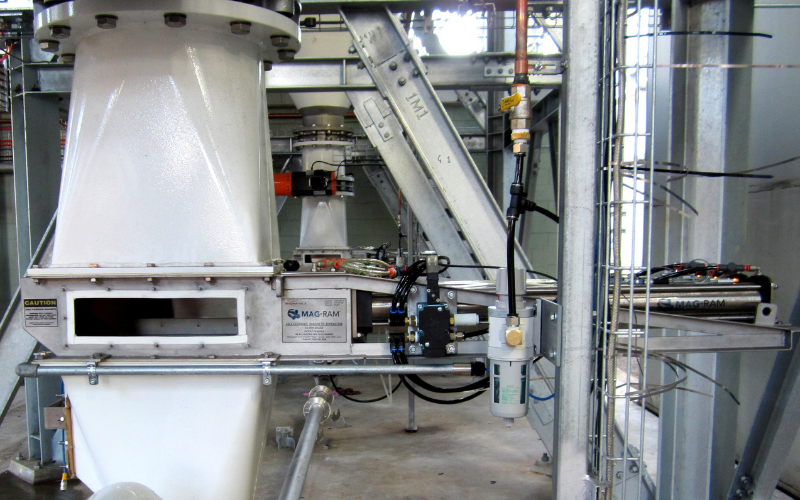
Maintaining product purity and meeting food safety standards is non-negotiable in the beverage industry. Even the smallest trace of ferrous or stainless steel contamination can lead to compromised product quality, equipment damage, costly downtime, or worse: recalls. As food safety, operations, and QA professionals know, choosing the right food grade magnetic separator is not just a technical choice—it’s a strategic one. For breweries and wineries, metal contamination can make a huge impact on production, with damage to machinery causing loss of production and expensive replacements.
This guide walks you through how magnetic separation plays a vital role across the beverage production process, helping you select the best solution for your specific needs.
Why Magnetic Separation Matters in Beverage Production
Beverage processing environments are susceptible to metal contamination from multiple sources: worn machinery parts, incoming raw materials, and transportation equipment. Magnetic separators serve as critical safeguards that remove ferrous and weakly magnetic stainless steel particles from the production line.
They enhance:
Choosing the wrong separator can lead to ineffective removal, excessive cleaning, or installation complications. Selecting purpose-built, food grade equipment ensures performance without compromising hygiene.
Where to Install Magnetic Separators in Breweries and Wineries
Each stage of beverage production presents different contamination risks. In wineries and breweries, a majority of metal contamination issues are encountered during the intake stage of processing.
Here’s a breakdown of optimal installation points:
1. Raw Ingredient Receiving
When ingredients, such as malt, hops, or grapes, are received, there is a high chance of contamination originating from harvesting, handling and transport. Grate magnets, receival bin magnets, or plate magnets can be installed at product intake points to target contaminants before they cause damage to expensive processing machinery such as crushers, grinders, destemmers, mills or must pumps. The type of magnet selected for each application depends on the product type, volume, and more.
2. Fermentation and Processing Tanks
In breweries, Grate Magnets such as the Rapidclean Drawer Magnet or Mag-Ram Self-Cleaning Magnet, can capture contaminants during the transfer to fermentation tanks.
3. Filtration and Clarification
Although magnetic separators are not often installed after this stage, they will ensure your product meets quality assurance prior to filtration clarification and final product.
4. Final Locations
In breweries, liquid syrup lines should include magnetic separators to ensure consumer safety and compliance with standards such as HACCP.
Types of Food Grade Magnetic Separators
There are several types of food grade magnetic separators available to suit winery and brewery applications. Each is designed with specific use cases in mind, from dry material intake to liquid processing and automated product handling.
Understanding the features and benefits of each option will help breweries and wineries make well-informed decisions tailored to their unique operations.
Grate and Drawer Magnets
Grate magnets consist of a series of magnetic bars arranged in a grid-like structure and are typically installed in hoppers or chutes. Self-cleaning grate magnets, such as found with the Mag-Ram®, have proven to be very successful in brewery and winery applications. These magnets are highly effective at capturing ferrous debris in dry, free-flowing materials such as malt but can also be installed in grape intake applications in wineries. They are ideal for intake applications when cleaning is automated and there is no need to stop production.
Plate Magnets
Plate magnets can be installed above or beneath chutes and discharge points. They attract and hold metal contaminants as materials pass by. These are well-suited for early processing stages where dry materials are handled in bulk. Magnattack’s Dimple-Mag® Plate Magnets are engineered for winery applications to prevent bridging and wrap-around of vine and stem material.
Receival Bin Magnets
The Magnattack Multi-Finger Winery Receival Bin Magnet is highly effective at removing metal contaminants. Installed under receival bin outlets and on bulk intakes, this system features adjustable magnet bars that can be customized to accommodate different product characteristics, ensuring optimal separation and equipment protection. Featuring multiple high-intensity Finger Bars angled downwards into the product stream, this separator protects machinery from various tramp iron contaminants that can cause extensive damage to equipment.
Liquid Line Magnets
Liquid line magnets, such as Pressure Pipeline Separators, are enclosed housings fitted with powerful rare earth magnets that purify liquids by extracting fine metal contaminants. They are specifically designed for viscous or fluid materials like syrups, ensuring minimal disruption to flow while maintaining product purity.
Magnetic Head Pulleys
Grain suppliers may utilize magnetic head pulleys to control tramp metal during bulk dry material handling. These separators automatically remove and discharge metal contaminants during product conveyance, reducing the need for manual cleaning and enhancing operational efficiency in large-scale beverage production environments.
Magnattack® offers advanced magnetic separation solutions specifically designed for liquid and emulsion lines with high flow rates.
Key Selection Criteria
Choosing a magnetic separator isn’t just about strength; it’s about suitability. Consider the following:
- Material Compatibility: Ensure all materials contacting the product are food grade (e.g., 316 stainless steel).
- Temperature Tolerance: Some beverage processes exceed standard magnet temperature limits.
- Sanitation Requirements: Look for separators with hygienic design and easy cleaning access.
- Flow Rate & Pressure: Equipment must match your system’s dynamics.
- Cleaning Method: Manual or automatic? Consider downtime and ease of maintenance.
Considerations for Separator Placement and Efficiency
Choosing the correct type of magnetic separator is only part of the process. Correct placement and system design are equally critical to achieving maximum protection. Separators must be strategically located at key control points to intercept contaminants before they compromise the product. It’s important to assess the flow of materials, the likelihood of metal introduction at each stage, and the accessibility for cleaning and maintenance. Regular validation testing should also be conducted to ensure that magnetic strength remains within required levels over time, especially in demanding beverage production environments where high temperatures and abrasive materials can impact performance.
Cleaning and Maintenance Considerations for Food Grade Magnetic Separators
A clean separator is an effective separator. Whether your system uses manual or automatic cleaning, routine maintenance is crucial. For high-volume applications, particularly with high levels of metal contamination, self-cleaning units can reduce labor costs and contamination risks.
Document all maintenance as part of your HACCP plan, and train staff to inspect and clean units according to a set schedule. Failure to maintain can lead to trapped contaminants re-entering the product stream.
Discover Purpose-Built Solutions for Breweries and Wineries
Magnattack® offers an extensive line of magnetic separation systems tailored for beverage applications, including those found in breweries and wineries. Our food grade magnetic separators are designed with hygiene, strength, and efficiency in mind. Whether it’s safeguarding ingredients at the intake stage, maintaining product purity, or protecting expensive machinery, we deliver proven solutions that align with food safety standards and are designed to reduce risks common to winery and brewery applications.