A Guide to Magnetic Separator Placement For Preventing Chocolate Metal Contamination
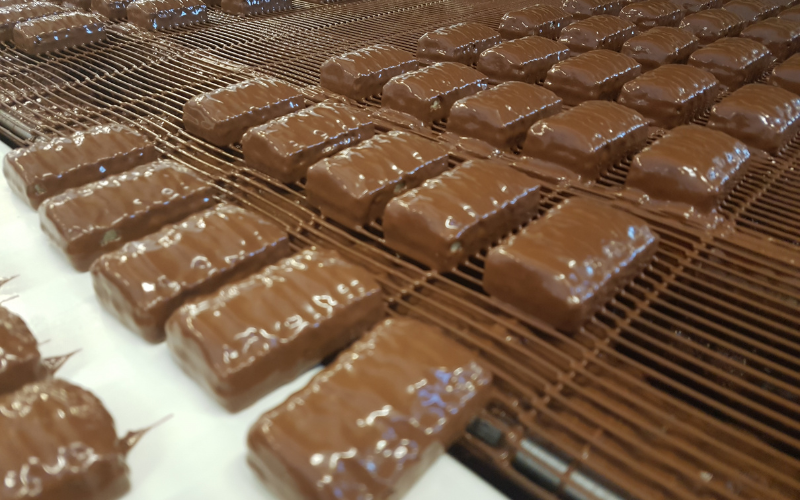
In chocolate manufacturing, even the smallest metal contaminant can have a major impact. A single missed fragment can disrupt production, damage equipment, trigger a recall, or worse—endanger consumer safety. Chocolate’s viscosity, heat sensitivity, and complex production environment make it especially prone to metal contamination. That’s why strategic placement of magnetic separators is critical to reducing the risk of chocolate metal contamination.
This blog explores how and where to place magnetic separators within chocolate processing lines to protect product integrity, reduce downtime, and comply with food safety standards. Whether you’re handling liquid chocolate, inclusions, or finished products, understanding proper magnet placement can make all the difference.
The Unique Challenge of Chocolate Metal Contamination
Chocolate presents unique processing conditions that elevate the risk of metal contamination. Metal fragments can originate from various sources, including worn or damaged equipment, such as chocolate conches, or from raw ingredients such as sugar, salt and gluten, which are particularly likely to contain metal particles. From mixing blades, pumps, valves, pipework, or upstream ingredient handling. Common sources include worn equipment such as conches, pumps, valves, and upstream ingredient handling systems.
To protect product integrity and ensure safety, magnets should be installed at ingredient intake points and key locations throughout production, ideally placed upstream of final metal detection systems for comprehensive contamination control.
Once introduced, contaminants can be difficult to detect and extract, especially in dark or dense chocolate masses. Their removal is complicated by the fact that chocolate must be kept at precise temperatures to maintain consistency and flow. Any disruption to product flow or temperature control can degrade quality or cause product loss.
Metal contamination in chocolate can occur during grinding, refining, conching, pumping, tempering, and molding. The use of high-shear or stainless steel components adds to the challenge, especially when stainless steel particles become work-hardened and weakly magnetic, making them harder to capture without high-intensity magnetic separators.
Why Magnetic Separator Placement Matters
Installing magnetic separators alone is not enough. The right type of magnet and its strategic placement are crucial to ensure contaminants are captured before they reach sensitive downstream equipment or packaging. Ineffective placement may lead to gaps in metal control, particularly if magnets are installed only at bulk intake points or final stages.
Strategically placed separators help:
- Protect high-value machinery from abrasive wear or metal damage
- Prevent metal from entering final packaging or finished goods
- Reduce production stoppages and product wastage
- Maintain compliance with HACCP and FSMA regulations
To achieve these outcomes, separator placement must align with the sources of metal contamination, chocolate’s flow path, equipment layout, and temperature control needs.
Key Points for Magnetic Separator Placement in Chocolate Processing
Each stage in the chocolate-making process presents unique challenges when it comes to managing metal contamination. Strategic magnet placement not only protects your product and equipment but also ensures regulatory compliance and operational efficiency.
The following points highlight where separators should be installed to provide the strongest line of defense against chocolate metal contamination.
1. Before Refining or Grinding
Raw ingredients like cocoa nibs, sugar, salt, and milk solids can introduce contaminants early in production. Installing magnetic separators before refining and grinding steps ensures that metal is intercepted and removed early in the process. At this stage, grate magnets or plate separators can be effective, provided they’re rated for hygienic food contact and resistant to abrasion.
2. Post-Refining and Pre-Conching
Once ingredients are ground, chocolate mass becomes denser and more homogeneous. Any metal particles remaining at this point may be harder to extract due to viscosity. Placing a high-intensity inline magnet immediately after the refining stage can help capture fine ferrous and work-hardened stainless steel particles before they enter the conching stage. These separators must be capable of withstanding pressure and high temperatures.
3. After Conching and Before Storage or Transfer
Following the conching process, chocolate mass is typically transferred to storage tanks or directly into the tempering system. This transfer presents another opportunity to introduce contamination, especially if pipeline components experience fatigue or wear. Installing an inline magnetic separator in this transfer line helps ensure contaminants are removed before long-term storage or final processing.
4. Inline With Tempering and Depositing Lines
Tempering systems are sensitive and expensive to repair. Additionally, any contamination introduced at this stage is likely to reach final molding or enrobing. Placing a liquid-line magnetic separator just before the chocolate enters tempering equipment is essential. These units must operate efficiently without interrupting flow or altering the product’s temperature profile.
For depositing lines, where inclusions like nuts, crisped rice, or caramel are added, installing magnets just before inclusion mixing can prevent these ingredients from introducing external contaminants.
5. Before Molding or Packaging
The final product must be verified as safe before it reaches consumers. Magnetic separators installed directly before molding, forming, or packaging lines act as the final checkpoint. These separators serve as a critical control point (CCP) in HACCP systems and help prevent contaminated products from entering distribution.
When considering reducing metal contamination risks in liquid chocolate lines, one specific magnetic separation solution stands out.
Considerations for System Design and Maintenance
For separators to perform reliably in chocolate processing environments, both placement and equipment design must support the challenges of viscosity, heat, and hygiene.
- Material selection: Components should be made of food-grade stainless steel (typically 316) and be compatible with CIP or easy-clean processes.
- Temperature resistance: Chocolate is processed between 30°C and 50°C. Magnets must retain strength under thermal stress.
- Product flow dynamics: Designs should avoid dead zones or flow restrictions that cause buildup, shear, or burning.
- Validation and monitoring: Magnet strength should be tested routinely to ensure effective capture. Magnets installed at CCPs should be documented and validated as part of food safety plans.
Why Leading Chocolate Processors Trust Magnetic Separation
Chocolate metal contamination isn’t just a quality concern. It’s a brand, safety, and compliance issue. Addressing it effectively means understanding how metal enters the process, how to capture it efficiently, and where to place safeguards that work with, not against, your production environment.
That’s why leading confectionery manufacturers trust Magnattack®. Our magnetic separation systems are engineered for the specific demands of chocolate processing: high viscosity, variable temperatures, CIP compatibility, and hygienic standards. With over 55 years of experience, our team offers not only precision equipment but also validation services that ensure every magnet in your line performs to specification.
Partner with Magnattack® to build a contamination control strategy that protects your product, equipment, and brand.