Reduce Costs with Magnetic Meat Rendering Equipment
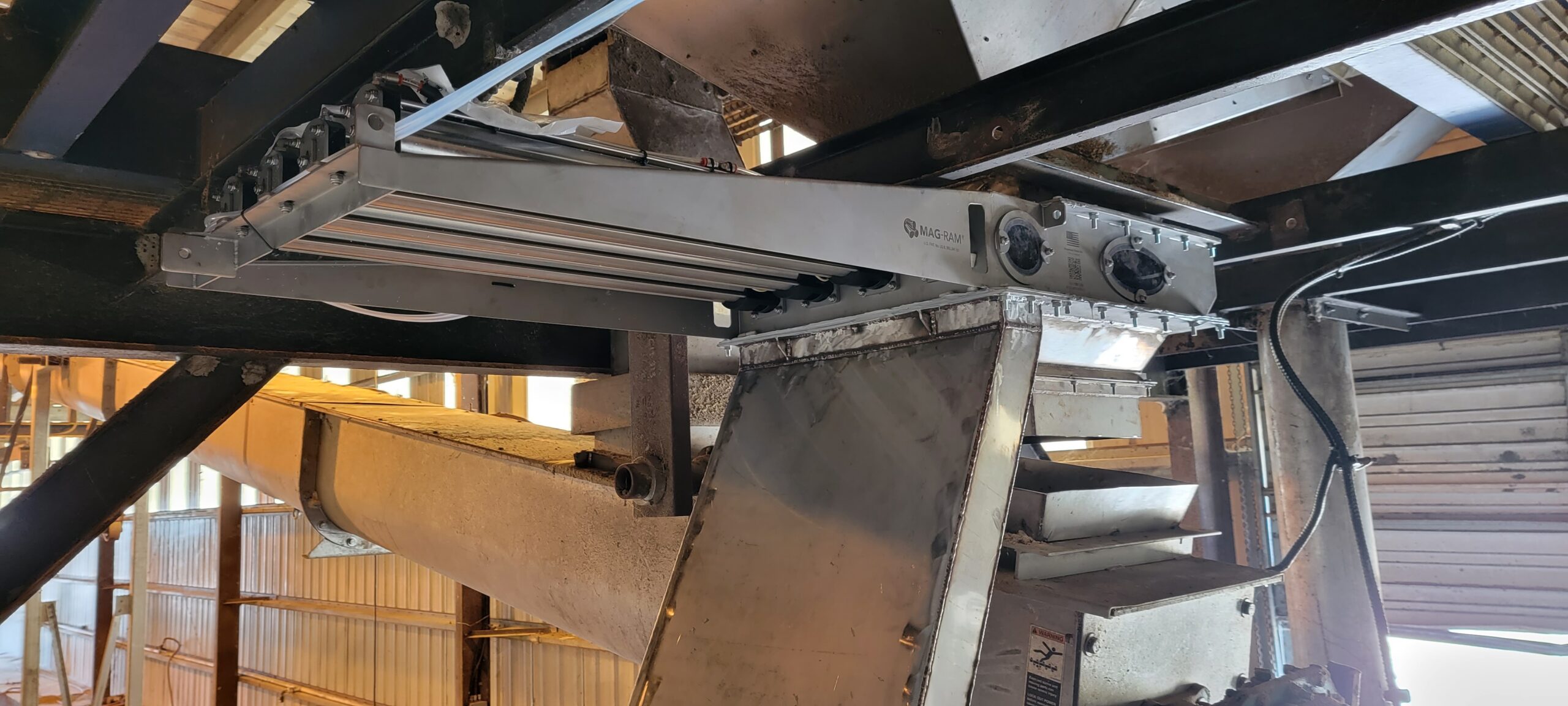
In the demanding world of meat rendering, downtime is expensive, and equipment failure can throw entire operations off schedule. Processing plants run on tight margins, so avoiding costly delays while keeping throughput high is essential. A proven yet often-overlooked solution for improving productivity and reducing wear on key components is advanced magnetic separation technology integrated directly into your meat rendering equipment.
Even small metal fragments in the product stream can accelerate wear, cause breakdowns and delay production. Magnetic separation tools, such as self-cleaning magnets and inline filters, help protect machinery, reduce maintenance costs and boost ROI.
This article explores how magnetic solutions can strengthen plant performance, reduce unnecessary repairs, and support smarter, more cost-effective meat rendering operations.
Common Maintenance Issues in Meat Rendering
Meat rendering equipment operates in harsh, high-load conditions. The combination of heat, moisture, and abrasive materials makes these systems vulnerable to both mechanical and contamination-related failures. These issues not only damage equipment but also disrupt operations, increase labor costs and compromise product quality. Among the most common maintenance pain points are:
Grinder and Screw Conveyor Damage
Metal shards from tools, hooks, or equipment wear can enter the raw material stream and wreak havoc on grinders and screw conveyors. These particles can chip blades, stall screws, or cause misalignment that requires costly replacement or downtime.
Pump Failures
Centrifugal and positive displacement pumps are sensitive to hard particles. Even small contaminants can erode internal surfaces, disrupt seals, or jam impellers, leading to unplanned shutdowns and expensive repairs.
Plugged Pipelines
When metal debris moves downstream, it can accumulate at elbows, valves, or filtration points, causing blockages and product backup. In worst-case scenarios, this leads to full line stoppages and wasted product.
These failures don’t just damage equipment—they delay orders, increase labor demands, and often force cleanup and sanitation efforts that further extend downtime.
How Metal Contaminants Accelerate Wear
Metal contamination originates from broken machine parts, hammer mill wear, worn fasteners or foreign material in raw product. These particles act like grit, damaging moving parts and reducing efficiency.
Over time, this leads to:
- More frequent replacement of components
- Lower processing yields due to equipment inefficiency
- Higher risk of emergency downtime
For plant managers tasked with controlling maintenance budgets, these issues can quickly add up.
The Role of Magnetic Separation in Protecting Equipment
Magnetic separation systems are designed to remove ferrous and weakly magnetic particles from product flows. In rendering operations, this is especially valuable because metal is both a contaminant and a mechanical hazard.
When placed in critical areas, such as raw material intake lines, magnets capture metal before it can enter sensitive equipment or the hammer mill. This reduces physical wear and keeps systems operating within spec.
Advanced meat rendering equipment and plants benefit greatly from magnetic separation, including self-cleaning models that automatically remove collected contaminants without requiring shutdowns for cleaning.
ROI: Saving Money Through Magnetic Separation
Magnetic separation offers a compelling return on investment by minimizing equipment damage and operational disruptions. While magnetic separators represent an upfront investment, their cost-saving potential is significant. Consider the cumulative impact of:
- Avoiding equipment replacements and maintenance that can cost thousands per incident
- Extending the lifespan of equipment
- Reducing downtime
- Lowering spare parts inventory and emergency labor costs
- Increasing product purity and value
Plants that integrate magnetic separation into their meat rendering equipment often report fast payback periods, sometimes within months, thanks to reduced damage and smoother operations.
Common Types of Magnetic Separation Equipment for Rendering Plants
Different magnets are suited for different stages of the rendering process. Selecting the right tools for your facility is key to maximizing protection and value.
Liquid Pipeline Magnets
Installed in liquid pipelines, these separators remove metal fragments from liquid products in rendering applications.
Mag-Ram® Self-Cleaning Magnet Systems
Mag-Ram systems use powerful magnetic bars that clean themselves on a timed or sensor-based cycle. These are ideal for dry product lines at intake and final locations including load out positions.
Drawer and Grate Magnets
These systems are best suited for gravity-fed applications and dry products. They’re often installed where raw material enters the process and provide a strong first line of defense, however, contaminant levels need to be considered before grate magnets are chosen over self-cleaning options as they are cleaned manually and may become loaded with magnetic contamination quickly.
Plate Magnets
For high-tonnage applications, prior to machinery prone to wear and damage due to metal contamination. Also commonly installed in choke-fed or high-flow applications where bridging & blocking is a risk.
Determining the compliance of your meat rendering process is good for your business’s reputation and increasing product quality.
Best Practices for Integrating and Maintaining Magnetic Separation Systems
To maximize the effectiveness of magnetic separation, follow these best practices:
Conduct a Risk Assessment
Identify where metal is most likely to enter the system and where critical equipment needs protection. Walk your line with both operations and maintenance leads to uncover sources of metal contamination and risks associated. Prioritizing magnet placement in these zones delivers the most value and ensures you’re not leaving any vulnerable blind spots in your system.
Use the Right Magnet Grade
Meat rendering demands strong magnetism. Use separators with high-intensity rare earth magnets (typically rated 10,000+ Gauss) to capture even small or weakly magnetic fragments. Partnering with an expert ensures you choose magnets that won’t underperform under load.
Schedule Regular Magnet Validations
Over time, magnets can lose strength, become worn, overloaded with fragments or become coated with fats, solids, or other buildup that reduce performance. Schedule regular gauss tests using calibrated gauss meters and clean magnets as part of your preventive maintenance cycle. Include visual inspections and cleaning logs in your food safety or QA documentation to verify performance.
Train Your Maintenance Team
Ensure your team understands how to clean, test, and inspect each magnet system. Training should cover how to safely remove magnets from housings, inspect for debris, and clean the magnets. For self-cleaning systems, staff should know how to program cleaning cycles and maintain the separator. A knowledgeable maintenance team helps avoid unnecessary downtime and keeps systems running at peak performance.
Document Your Separation Strategy
Keep clear records of magnet locations, inspection intervals, corrective actions, and any detected contaminants. This documentation supports internal quality checks and external audits while helping refine your control points over time. A written separation strategy also improves continuity when staff changes and reinforces long-term compliance with HACCP or USDA standards.
Real-World Example: Increasing Product Value Through Better Magnetic Control
MBL Proteins, a respected Australian meat rendering company, already had self-cleaning magnets installed in their meat & bone meal process, however, it was becoming apparent that they needed to enhance their level of foreign metal fragment control in several of their finished products.
MBL needed to ensure that their foreign metal fragment controls were efficient, fit for purpose, and cost-effective, and so they saw the need to conduct controlled testing in the rendering environment between different types of self-cleaning magnets. Magnattack provided equipment as part of this testing, where MBL could accurately evaluate the performance of the Mag-Ram® vs the other self-cleaning alternatives.
Satisfying Results: The other self-cleaning magnets were yielding an unacceptable level of product carry over into the contamination side of the chamber. There was also evidence of a much higher percentage of metal contamination still escaping the magnet, due to the challenges that a typical meat meal process presents.
The Mag-Ram was well engineered for the rendering environment, providing a much leaner contaminant sample. The Mag-Ram demonstrated that it would give them greater control over foreign metal, less product wastage, increased product quality and value, and lead to improved customer satisfaction.
This was extremely important to Site Manager Gary Deutrom, who says that “when you are producing a premium product for export markets, you can’t afford to be scalping good product away from an inefficient magnet”.
Final Takeaway: Smarter Equipment, Stronger Results
Magnetic separation is a simple yet powerful tool that protects equipment, reduces costs, and enhances product quality. By integrating the right solutions, rendering facilities can achieve stronger performance and long-term profitability.
Ready to improve your rendering process? Learn more or contact our team to find the right magnetic solution for your facility.