The Role of Magnetic Separation in Meat Rendering Plant Efficiency
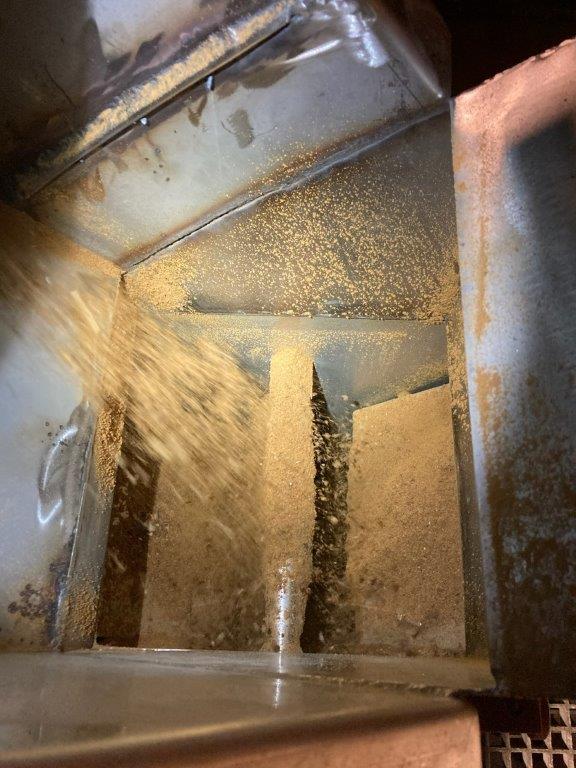
Meat rendering plants operate on thin margins and tight schedules. Every piece of equipment must perform consistently, and every hour of production counts. Unfortunately, the presence of metal contaminants, no matter how small, can throw off production, reduce quality of product, compromise safety, and trigger expensive downtime and even be the cause of extremely costly recalls.
Magnetic separation becomes a critical efficiency tool. By removing damaging ferrous particles before they enter sensitive equipment or the hammer mill, rendering facilities can protect key systems, maintain smoother workflows, and avoid costly setbacks.
This article explores how magnetic separation supports greater throughput, minimizes repair costs, and helps rendering plants hit their productivity targets more consistently.
Common Contamination Challenges in Meat Rendering Plants
Rendering operations are fast-paced, continuous, and often abrasive. Equipment is exposed to a mix of raw materials, fats, bones, and solids, all of which place heavy demands on pumps, grinders, and conveyors. Common challenges include:
Equipment Wear and Downtime
Metal fragments from broken blades, tools, or structural wear can enter the system. When these particles reach pumps or screw conveyors, they damage moving parts, trigger shutdowns, and increase the frequency of maintenance.
Product Reprocessing and Waste
If contamination is discovered mid-process or post-process, plants may have to re-run products or dispose of large batches. This disrupts workflow and cuts into profitability.
Regulatory and Safety Pressure
Facilities must meet USDA and other regulatory standards, as well as customer expectations. Metal contamination, even at low levels, can prompt investigations, recalls, and lost trust with partners.
Magnetic Separation Technologies for Meat Processing
Magnetic separation is more than just a food safety measure; it’s an operational performance tool. Here’s how magnetic systems support higher efficiency in meat rendering plants:
Reduces Unplanned Downtime
Magnets capture damaging particles before they reach sensitive mechanical components. This decreases emergency repairs, extends equipment life, and prevents line stoppages.
Streamlines Maintenance Cycles
Less equipment wear means fewer parts to replace and less time spent on disassembly and cleaning. This keeps maintenance schedules predictable and aligned with production goals.
Enhances Product Integrity
Higher product purity results in fewer rejected batches and less time spent on quality remediation. This keeps operations moving and limits the need for rework. It also increases customer satisfaction.
Choosing the Right Magnetic Separation Technology
Not all magnets deliver the same value. The best magnetic solutions for meat rendering plants are purpose-built for high-throughput, high-fat, and abrasive environments. Here are several proven technologies:
Mag-Ram® Self-Cleaning Magnetic Separators
These powerful systems automatically clean themselves while staying in operation—making them ideal for rendering plants that run around the clock. The Mag-Ram design ensures minimal product loss, consistent separation, and low labor input and removes ongoing frustrations experienced by operators such as jamming and cleaning inefficiencies…BY DESIGN.
Pipeline Magnets
Designed for liquid slurries and semi-solid materials, pipeline magnets sit directly in pressurized systems to extract metal contaminants without disrupting flow. They’re highly effective in pump protection and are easy to integrate with CIP systems.
Plate Magnets
Installed in chutes or above conveyors, plate magnets act as a passive first line of defense. They intercept larger ferrous items before they enter grinders or screw feeders, reducing mechanical strain and downstream magnet pressure from the outset.
Learn about the costs of metal contamination that can occur during the meat rendering process.
A Small Change With Major Payoff
Plant managers often look for ways to improve uptime without overhauling existing equipment. Magnetic separation fits that niche—it’s a small footprint upgrade with a large impact.
Whether installed at material inlets, post-grinding, or in pump feeds, magnets reduce the hidden costs of contamination. When paired with effective training and maintenance schedules, they become a powerful tool for sustained efficiency.
Best Practices for Magnet Implementation
Getting the most from magnetic separation means thinking strategically. Here’s how to approach it:
Conduct a Contamination Risk Assessment
Identify key points where contamination is most likely to enter the process, often at raw material intakes, after grinding, or near worn equipment, as well as at final product locations prior to packing or outloading. These are the best places to install magnets. Assessing these zones allows operations teams to prioritize where magnetic separation will yield the highest value. Pay special attention to older equipment or areas where maintenance occurs frequently, as these can be unexpected sources of wear-related contamination. Partnering with engineering and QA teams during this step can also improve hazard mapping and ensure alignment with food safety protocols.
Match Magnet Strength to Material Load
Rendering systems require strong rare earth magnets—10,000+ Gauss is often necessary to pull out fine or weakly magnetic particles under pressure and flow. However, magnet selection isn’t just about raw power—it’s also about matching the field strength to the product characteristics. For example, wet, fatty materials may coat magnets more easily and reduce efficiency. Properly matched magnets reduce maintenance frequency and ensure consistent contaminant capture, even in demanding processing environments.
Prioritize Cleanability
Self-cleaning magnets reduce labor and avoid interruption. In systems with regular washdowns, magnets should be corrosion-resistant and sealed to handle moisture and fats. Ease of disassembly, accessibility during maintenance, and compatibility with CIP (clean-in-place) protocols are also essential. Poorly designed magnets can trap product or cleaning agents, increasing contamination risk. Investing in hygienic magnet designs helps facilities stay audit-ready and minimize cross-contamination hazards.
Validate Performance Over Time
Implement gauss testing and inspections as part of regular schedules. Even self-cleaning systems need monitoring to ensure they’re functioning at full strength. Over time, magnets can degrade or become coated with material, especially in greasy or abrasive environments. Testing with certified gauss meters and keeping detailed inspection records not only protects product integrity but also supports compliance with regulatory requirements like HACCP or USDA verification.
Real-World Success Mountaire Farms Case Study
Mountaire Farms, a respected USA based meat rendering company, needed a more effective method for metal fragment control. After evaluating several process locations and magnet designs, they installed several Mag-Ram® Self-Cleaning Magnets under shakers in the finished product load out area.
The result: greater control over foreign metal, less product wastage, increased product quality and value, and improved customer satisfaction. “They work that well, you don’t even have to think about it.”
Why Magnetic Separation is a Smart Investment
Meat rendering plants face significant efficiency pressures, from contamination risks to unplanned downtime. Magnetic separation offers a straightforward, effective solution that helps meet productivity goals while protecting equipment and ensuring compliance.
By removing metal at critical points, magnets help reduce reprocessing, extend machine life, and maximize uptime, all of which directly support plant KPIs.
Magnattack® specializes in magnetic separation systems that are engineered for the harsh conditions of meat rendering. Their industry-specific solutions help you run cleaner, safer, and more efficient operations. Contact the team to learn how magnetic technology can give your facility a performance edge.