Common Sources of Metal Contamination in Food Manufacturing
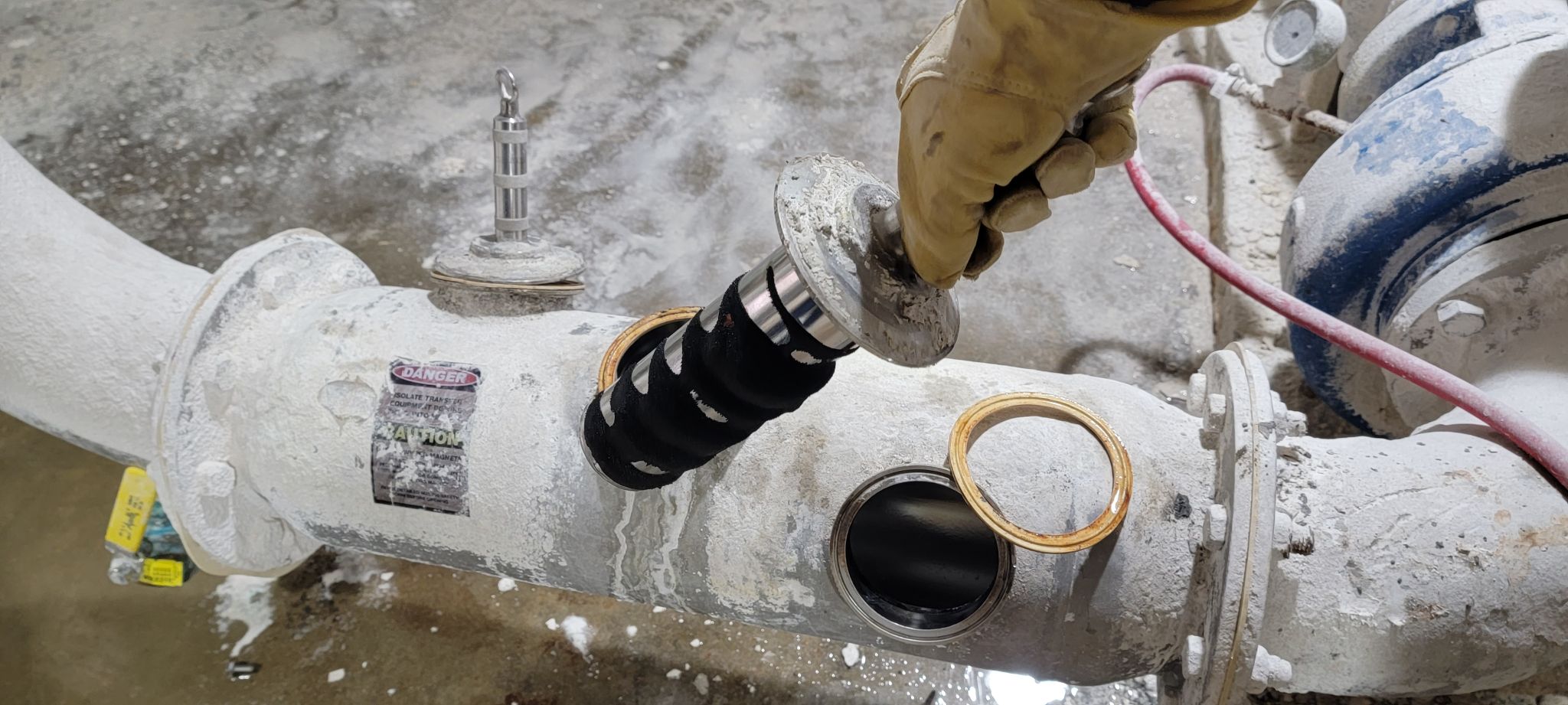
Metal contamination remains one of the most common foreign material risks faced by food manufacturers.
Fragments of ferrous metal, non-ferrous metal, and stainless steel can enter production lines from equipment wear, raw materials, maintenance activities, and other operations. Without effective foreign material detection measures, these contaminants can result in product recalls, customer complaints, production downtime, and food safety incidents.
Modern food inspection equipment, including magnetic separators, food metal detectors, and X-ray inspection systems, plays a critical role in identifying contamination before products leave the facility.
Source #1: Equipment Wear
Food processing equipment is subjected to constant movement, friction, vibration, and mechanical stress.
Over time, normal wear can produce metallic fragments that contaminate products during processing.
Common sources include:
- Conveyors
- Augers
- Grinders
- Mixers
- Crushers
- Pumps
- Rotary valves
Implementing regular maintenance inspections and replacing worn components before failure can significantly reduce the risk of metal contamination. Installing magnetic separators prior to sensitive processing equipment can also help prevent equipment damage caused by metal fragments while reducing the burden on downstream inspection and processing equipment.
Source #2: Loose Fasteners and Hardware
Loose hardware is a common cause of contamination in manufacturing environments.
Potential sources include:
- Nuts
- Bolts
- Washers
- Screws
- Clamps
- Retaining pins
Even a single loose component can lead to a costly recall or damage to machinery that can be expensive to repair. Routine inspections and equipment verification procedures should form part of every contamination prevention program.
Source #3: Incoming Raw Materials
Metal contamination does not always originate inside the processing facility.
Raw materials may already contain contaminants introduced during:
- Harvesting
- Transportation
- Storage
- Supplier processing activities
Examples include metal fragments from harvesting equipment, damaged handling equipment, or manufacturing processes. Incoming ingredient inspections and magnetic separation systems can help identify and reduce contamination risks early in the process.
Source #4: Maintenance Activities
Maintenance work is essential for keeping equipment operating efficiently, but it can also introduce contamination risks.
Potential contamination sources include:
- Welding spatter
- Grinding debris
- Metal shavings
- Broken tools
- Drill fragments
- Abrasive particles
Following maintenance activities, production lines should be thoroughly inspected, cleaned, and verified before operations resume.
Source #5: Packaging Equipment
Packaging lines contain numerous moving components capable of generating metallic contamination.
Areas commonly associated with contamination risks include:
- Filling equipment
- Conveyors
- Labelling machinery
- Sealers
- Cartoners
- Packaging transfer systems
Routine inspections and preventive maintenance programs can help identify wear before contaminants enter finished products.
Why Stainless Steel Contamination Can Be Difficult to Detect
While all metal contamination presents a risk, stainless steel contamination can be particularly challenging.
Many grades of stainless steel have lower magnetic permeability and conductivity compared to ferrous metals, making detection more difficult under certain conditions.
Factors that can influence detection sensitivity include:
- Product characteristics
- Moisture content
- Salt content
- Product temperature
- Packaging format
- Contaminant orientation
- Aperture size
- Operating frequency
- Electromagnetic interference
- Inspection technology used
This is why manufacturers should regularly verify inspection performance and ensure equipment is appropriately configured for the specific products being inspected.
Why Metal Detection Alone Is Not Always Enough
Food metal detectors remain one of the most effective methods of identifying metallic contamination. However, food manufacturers should consider a broader contamination control strategy rather than relying on a single inspection point.
Many facilities implement multiple contamination detection systems to manage different contamination risks, including:
- Magnetic separation
- Metal detection
- X-ray inspection
- Checkweighing
- Optical sorting
- Visual quality inspections
A layered approach helps improve overall foreign material detection and strengthens food contamination prevention efforts.
Detection Limitations
Metal detector sensitivity can be influenced by several factors, including product characteristics, aperture size, operating frequency, contaminant orientation, packaging format, and environmental conditions.
For this reason, inspection performance should always be validated under actual production conditions.
By pairing magnetic separators with metal detectors, food manufacturers can implement a layered contamination control strategy that improves foreign material detection, reduces contamination risks, and strengthens overall food safety performance.
How to Reduce Metal Contamination Risks
Reducing metal contamination in food manufacturing requires a combination of preventive measures and effective inspection technologies.
Magnetic Separation
Magnetic separators help remove ferrous contamination and work-hardened stainless steel from product streams before they enter downstream processing equipment and are also recommended as final control points prior to metal detectors and product packaging.
By capturing contaminants at multiple stages of production, magnetic separation helps reduce contamination risks, protect equipment from damage, improve product quality, and strengthen overall food safety performance.
Preventive Maintenance
Routine inspections and maintenance programs can identify wear before components fail and generate contamination.
Food Metal Detectors
Food metal detectors identify metallic contaminants during processing or prior to final packaging and work alongside magnetic separators as part of a layered contamination control strategy.
While magnetic separators remove ferrous contamination and work-hardened stainless steel earlier in the process, metal detectors provide an additional inspection point capable of identifying both magnetic and non-magnetic metal contaminants before products reach consumers.
X-Ray Inspection Systems
X-ray inspection systems provide an additional layer of protection by detecting metal and other foreign materials that may be present in products.
Checkweighing
Checkweighers support quality assurance by verifying that products meet specified weight requirements. They can also identify issues such as underfilled packs, overfilled packs, missing components, or damaged products.
Many modern systems combine checkweighing with metal detection or X-ray inspection, allowing manufacturers to perform multiple quality and food safety checks at a single inspection point.
Employee Training
Well-trained employees play a crucial role in identifying contamination risks and maintaining food safety standards. By understanding potential contamination sources, inspection procedures, and the capabilities and limitations of technologies such as magnetic separators, metal detectors, X-ray systems, and checkweighers, employees can help identify issues early and support a more effective contamination control program.
Supplier Management
Working closely with suppliers and verifying incoming ingredients can reduce contamination risks before materials enter the facility.
The Magnattack Perspective
At Magnattack, we believe the most effective way to reduce metal contamination risks is through a layered contamination control strategy.
Rather than relying on a single inspection point, manufacturers can strengthen food safety programs by combining magnetic separation, metal detection, X-ray inspection, checkweighing, employee training, and preventive maintenance practices. Multiple control points help improve contaminant capture, reduce risk, and support more consistent product quality throughout the production process.
This approach is particularly valuable in industries such as ingredient processing, baking, dairy, pet food, and other food manufacturing applications where contamination risks may originate from multiple sources.
Benefits of a Layered Foreign Material Detection Strategy
Implementing multiple control measures helps manufacturers:
- Improve food safety outcomes
- Reduce contamination risks
- Minimise costly recalls
- Strengthen brand reputation
- Improve customer confidence
- Support regulatory and customer compliance requirements
The most effective foreign material control programs combine both preventive measures and inspection technologies to create multiple layers of protection.
Frequently Asked Questions
Where does metal contamination in food come from?
Metal contamination can originate from equipment wear, loose fasteners, maintenance activities, raw materials, packaging equipment, and supplier processes.
Why is stainless steel more difficult to detect?
Many grades of stainless steel have lower magnetic permeability and electrical conductivity than ferrous metals, which can make detection more challenging under certain conditions.
Can magnets and metal detectors be used together?
Yes. Magnetic separators and metal detectors are often used together as part of a layered contamination control strategy. Magnets can remove ferrous contamination earlier in the process, while metal detectors provide an additional inspection point before products reach consumers.
How can manufacturers reduce metal contamination risks?
Effective contamination prevention programs often combine preventive maintenance, magnetic separation, metal detection, X-ray inspection, supplier management, employee training, and quality assurance procedures.
Conclusion
Metal contamination can originate from numerous sources throughout a food manufacturing operation, from worn equipment and loose hardware to raw materials and maintenance activities.
Understanding where contamination comes from is the first step toward prevention. By combining preventive maintenance, magnetic separation, food metal detectors, X-ray inspection systems, checkweighing, and strong quality assurance practices, manufacturers can build multiple layers of protection throughout production. This layered approach improves foreign material detection, strengthens food contamination prevention efforts, and helps protect both consumers and brand reputation.
Looking to Reduce Metal Contamination Risks?
Magnattack offers a range of magnetic separation and inspection equipment solutions designed to help food manufacturers reduce contamination risks and strengthen food safety programs.
Explore our Inspection Equipment range or contact our team to discuss your application.