What Is Foreign Material Detection in Food Processing?
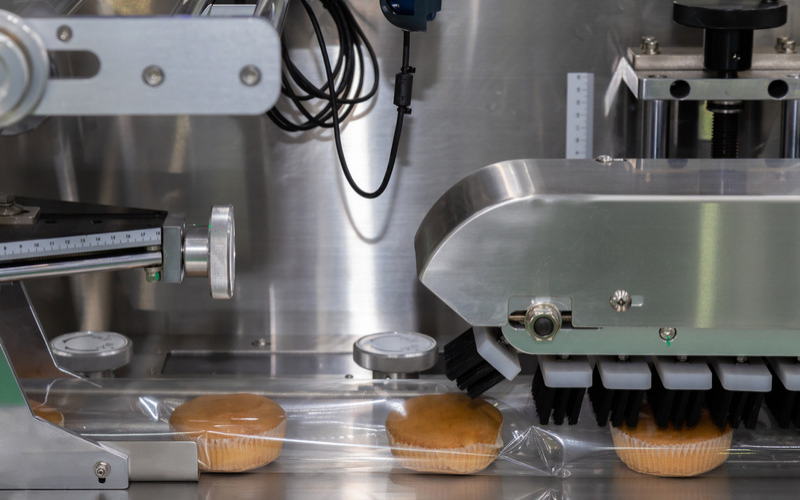
Foreign material detection is one of the most important components of modern food safety programs.
Food manufacturers rely on a range of food inspection systems and food inspection equipment to identify contaminants before products reach consumers. These contaminants may include metal fragments, glass, stone, bone, plastic, rubber, and other unwanted materials that can compromise both food safety and product quality.
Effective foreign object detection helps manufacturers reduce recalls, improve regulatory compliance, protect brand reputation, and strengthen customer confidence.
What Are Foreign Materials?
Foreign materials are any unwanted objects that enter food products during harvesting, handling, processing, packaging, or transportation.
Common examples include:
- Metal fragments
- Screws and fasteners
- Wire contamination
- Glass fragments
- Stone
- Ceramic
- Bone
- Plastic pieces
- Rubber fragments
- Wood splinters
These contaminants can originate from a variety of sources, including processing equipment, raw ingredients, maintenance activities, packaging materials, and external environmental factors.
Why Foreign Material Detection Matters
The consequences of food contamination can be significant for both manufacturers and consumers.
Consumer Safety
Foreign objects can pose serious risks such as:
- Choking hazards
- Cuts and lacerations
- Dental damage
- Internal injuries
Preventing contaminants from reaching consumers is a critical objective of any food safety program.
Brand Protection
A single contamination incident can damage customer trust and negatively impact a company’s reputation. Product recalls can also result in significant financial losses and long-term brand damage.
Regulatory Compliance
Food manufacturers are expected to implement appropriate control measures to manage contamination risks. Effective foreign material detection supports compliance with food safety standards and customer requirements while demonstrating a proactive approach to risk management.
Food Safety Standards and Regulatory Requirements
Foreign material detection plays an important role in helping manufacturers meet food safety and quality requirements. Effective contamination control programs support compliance with systems and standards such as:
- Hazard Analysis and Critical Control Points (HACCP)
- Food Safety Modernization Act (FSMA) Preventive Controls
- Global Food Safety Initiative (GFSI) benchmarked standards
- Customer-specific food safety requirements
In addition, regulatory agencies such as the U.S. Food and Drug Administration (FDA) recognise hard or sharp foreign materials as potential hazards capable of causing injury to consumers. Identifying and removing contaminants before products reach the marketplace is an essential part of many food safety programs.
Common Foreign Material Detection Technologies
Modern contamination detection systems use a variety of technologies to identify and remove unwanted materials from food products.
Magnetic Separation
Magnetic separators remove ferrous contamination and work-hardened stainless steel from product streams before they enter downstream processing equipment and are also recommended as a final control point prior to packaging.
By capturing contaminants at multiple stages of the production process, magnetic separation helps reduce contamination risks, protect equipment from damage, improve product quality, and strengthen overall food safety performance.
Metal Detection
Food metal detectors identify metallic contaminants during processing or prior to final packaging, providing an additional layer of protection after magnetic separation as part of a layered contamination control strategy.
Metal detection remains one of the most widely used forms of food inspection equipment due to its reliability, speed, and effectiveness in identifying ferrous, non-ferrous, and stainless steel contaminants.
X-Ray Inspection
X-ray inspection systems provide broader foreign object detection capabilities and can often detect:
- Metal
- Glass
- Stone
- Bone
- Ceramic
- Certain dense plastics
Many X-ray inspection systems can also perform quality checks such as fill-level inspection, missing product detection, and package integrity verification.
Checkweighing
Checkweighers automatically verify product weight during production, helping manufacturers ensure products meet weight specifications and regulatory requirements.
In addition to supporting quality assurance, checkweighing can help identify issues such as:
- Underfilled packages
- Overfilled packages
- Missing components
- Damaged products
- Packaging inconsistencies
Many modern systems combine checkweighing with metal detection or X-ray inspection, allowing manufacturers to perform multiple quality and food safety checks in a single inspection point.
Optical Sorting
Optical sorting systems use advanced camera and sensor technology to identify defects, discoloration, and unwanted materials within food products.
Depending on the application, optical sorters can help identify and remove:
- Discoloured products
- Foreign materials
- Shell fragments
- Stones
- Wood fragments
- Defective ingredients
- Product inconsistencies
Optical sorting is commonly used in industries such as grain processing, nuts, seeds, spices, dried foods, pet food, and ingredient manufacturing, helping improve product quality and enhance overall inspection effectiveness.
Foreign Material Detection in Liquid Products
Foreign material detection is not limited to dry products.
Manufacturers of liquids, slurries, sauces, dairy products, oils, and beverages may use flow-through inspection systems to identify contaminants while products move through enclosed pipelines.
Flow-through metal detectors can detect metallic contamination during processing, while magnetic separators for liquid applications may be used to remove ferrous contamination and work-hardened stainless steel earlier in the process, as well as at final locations prior to packing. Together, these technologies form part of a layered contamination control strategy designed to protect product quality and food safety.
Foreign Material Detection and HACCP
A successful HACCP foreign material control strategy requires manufacturers to identify contamination risks and implement suitable control measures throughout the production process.
Depending on the application, this may involve:
- Magnetic separation
- Metal detection systems
- X-ray inspection systems
- Checkweighing systems
- Optical sorting technology
- Visual quality inspections
Together, these technologies create a layered approach to food contamination prevention while supporting a more comprehensive food safety program.
Building Multiple Layers of Protection
The most effective contamination control programs rarely rely on a single technology.
Instead, manufacturers often implement multiple layers of protection, including:
- Raw material inspections
- Magnetic separation
- Preventive maintenance programs
- Metal detection
- X-ray inspection
- Checkweighing
- Quality assurance inspections
Each layer helps reduce risk and strengthens the overall foreign material detection strategy.
Benefits of a Multi-Layer Foreign Material Control Program
A comprehensive approach to contamination control can help manufacturers:
- Improve food safety outcomes
- Reduce the risk of product recalls
- Strengthen customer confidence
- Support regulatory compliance
- Protect brand reputation
- Improve product quality and consistency
By combining preventive measures with modern food inspection systems, manufacturers can significantly reduce the likelihood of contaminants reaching finished products.
The Magnattack Perspective
At Magnattack, we believe effective foreign material control requires more than a single inspection technology.
The most successful contamination control programs incorporate multiple layers of protection, including magnetic separation, metal detection, X-ray inspection, checkweighing, optical sorting, and quality assurance procedures where appropriate.
By implementing multiple control points throughout production, manufacturers can improve contaminant capture, reduce risks, and strengthen overall food safety performance.
Frequently Asked Questions
What is foreign material detection?
Foreign material detection is the process of identifying and removing unwanted contaminants from food products before they reach consumers. Common contaminants include metal, glass, stone, plastic, rubber, and bone.
What size foreign material is considered hazardous?
The risk posed by a foreign material depends on factors such as its size, shape, composition, and the intended consumer. Hard or sharp foreign objects are generally considered significant hazards because they have the potential to cause injury.
Can foreign material detection help prevent product recalls?
While no system can completely eliminate risk, effective contamination control programs can significantly reduce the likelihood of contamination incidents, customer complaints, and product recalls.
What does optical sorting remove?
Optical sorting systems can help identify and remove defects, discoloration, foreign materials, shell fragments, stones, wood fragments, and other product inconsistencies.
Can multiple inspection technologies be used together?
Yes. Many manufacturers use a combination of magnetic separation, metal detection, X-ray inspection, checkweighing, and optical sorting as part of a layered foreign material control strategy.
Conclusion
Foreign material detection is not a single machine or inspection point. It is a comprehensive strategy designed to identify and eliminate contaminants throughout the production process.
By combining appropriate food inspection equipment, preventive practices, and risk-based control measures, manufacturers can build more effective systems for foreign object detection, improve food contamination prevention, and strengthen overall food safety performance.
Looking to Improve Foreign Material Control?
Magnattack offers a range of magnetic separation and inspection equipment solutions to help food manufacturers reduce contamination risks and strengthen food safety programs.
Explore our Inspection Equipment range or contact our team to discuss your application.